Which fan is the quietest for the bedroom?
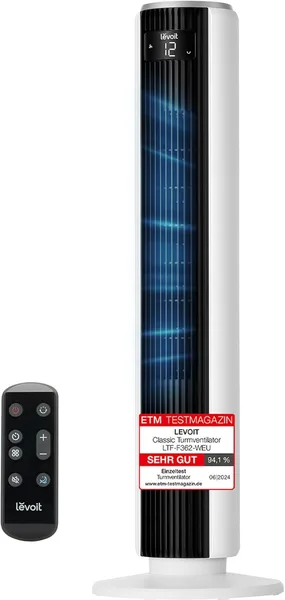
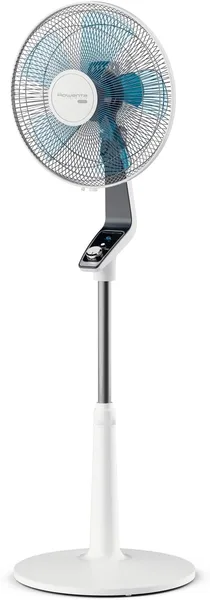
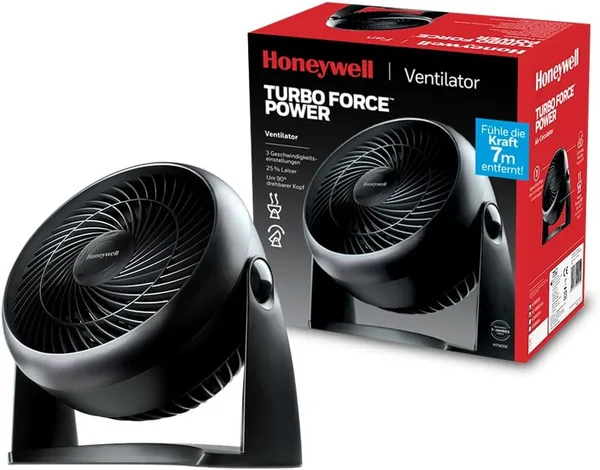
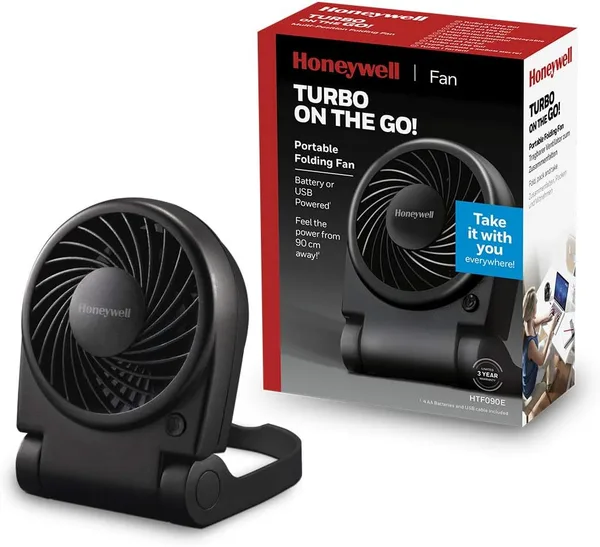
The quietest are DC tower fans: the Levoit Classic 36 DC starts in sleep mode at around 20 dB, quieter than a whisper. If you prefer a more powerful pedestal fan, the Rowenta Turbo Silence (45 dB in Silent Night mode) is a good choice. Mini USB fans such as the Honeywell HTF090E are at about 47 dB.
Tower, pedestal or desk fan: which suits me?
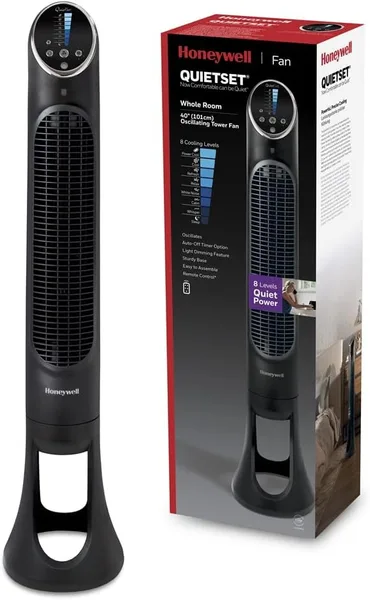
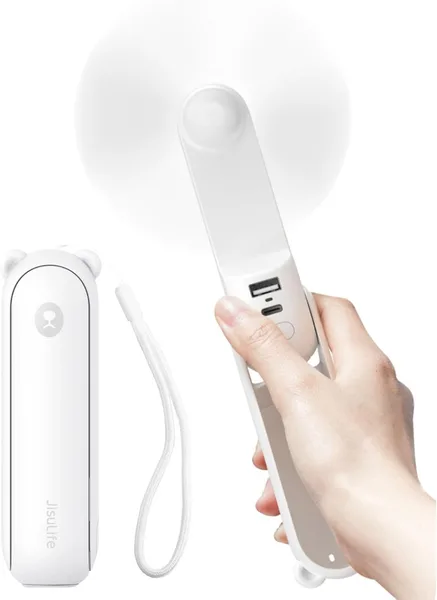
A tower fan (Levoit, Honeywell QuietSet) is slim, bedroom-quiet and needs little floor space, ideal for small flats. A pedestal fan (Rowenta) moves the most air and is enough for large rooms, but needs space. A desk/mini fan (Honeywell HT-900E/HTF090E, JISULIFE) cools one spot at the desk or on the go, but is not a room fan.
What does a DC motor bring to a fan?
A DC motor runs quieter and much more economically than a conventional AC motor. The Levoit Classic 36 draws only 24 watts, an AC tower fan such as the Honeywell QuietSet up to 285 watts. With continuous running on hot nights across the whole season, that adds up noticeably, and the DC motor can be regulated more finely and quietly.
How much power does a fan use?
That depends heavily on the motor: DC tower fans need only about 24 W, desk fans about 30 W, AC pedestal and tower fans 70 to 285 W. Even the thirstiest runs cheaply: a DC model costs only a few cents for a whole night of running. If you cool permanently, though, a DC motor saves the most over the season.
Is a battery or USB fan worth it?
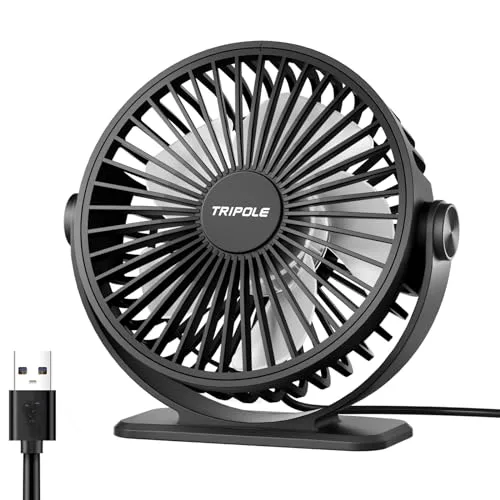
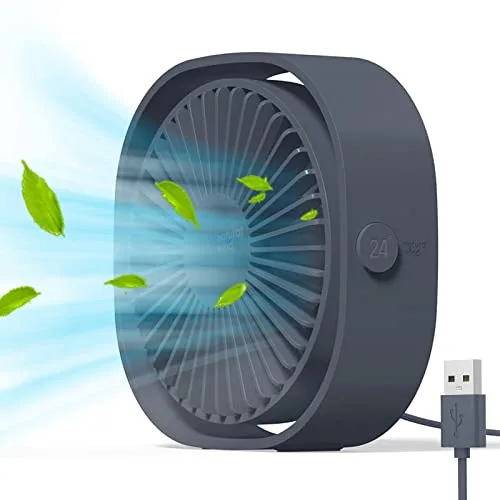
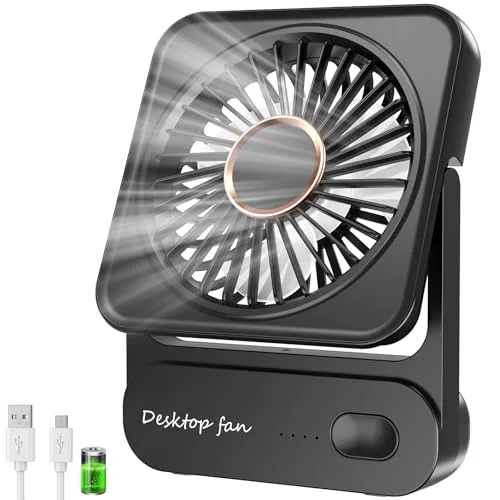
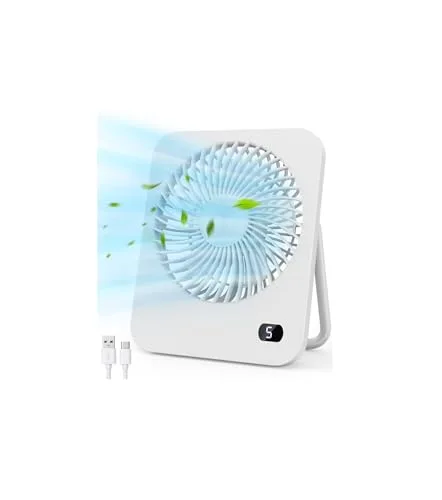
For a fixed workspace, a quiet USB fan such as the Honeywell HTF090E (runs on a laptop) is enough. For on the go without a socket (balcony, commuting, festival), a real battery fan such as the JISULIFE 3-in-1 (up to 21 h, plus power bank) is the right choice. Neither replaces a room fan, but they deliver a personal airflow.