How does a window vacuum work, and is it really streak-free?
You spray the pane, wipe it with the microfibre cover and then pull the vacuum down from top to bottom. The appliance sucks the dirty water into the tank instead of leaving streaks or drops. Used correctly, the result is streak-free, with no need to polish afterwards. Important: empty the tank in good time and work in even strokes.
Which window vacuum is the best?
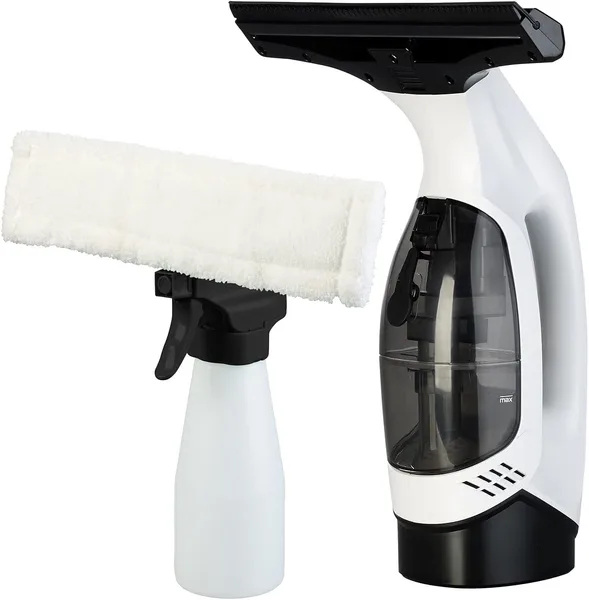
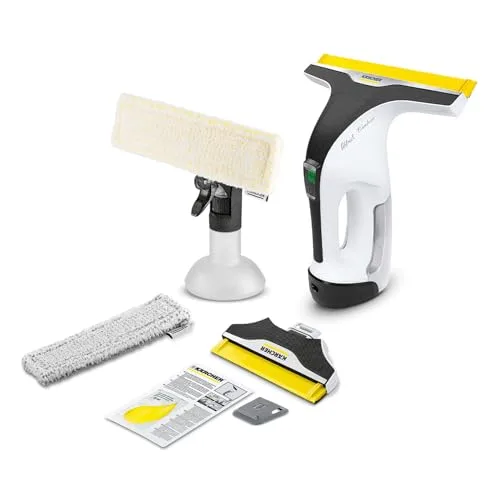
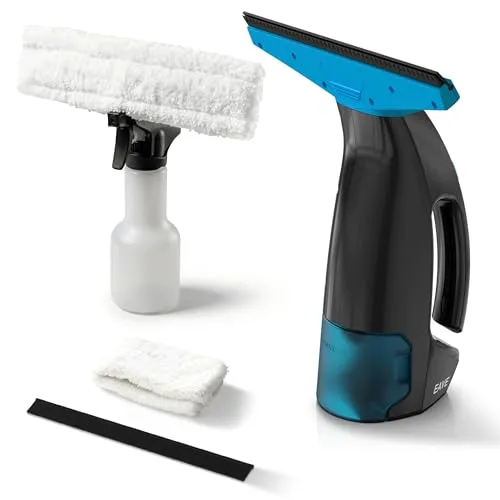
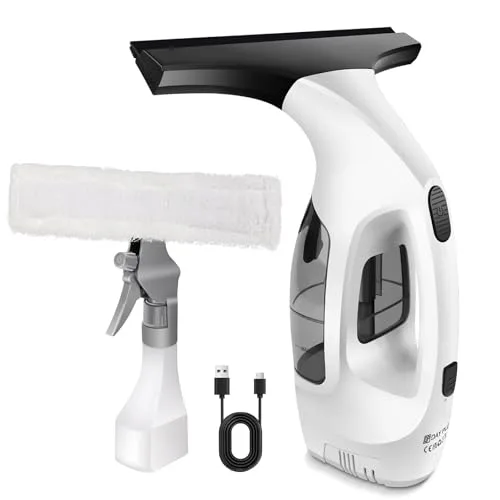
For most people, the Kärcher WV 2 Premium with wide and narrow nozzle. Many or large windows: WV 6 Plus (100 min). Tall windows: Leifheit with pole. Also for the car: Bosch GlassVAC. Tight budget: Sichler under €30.
Kärcher WV 1, WV 2 or WV 6: which is worth it?
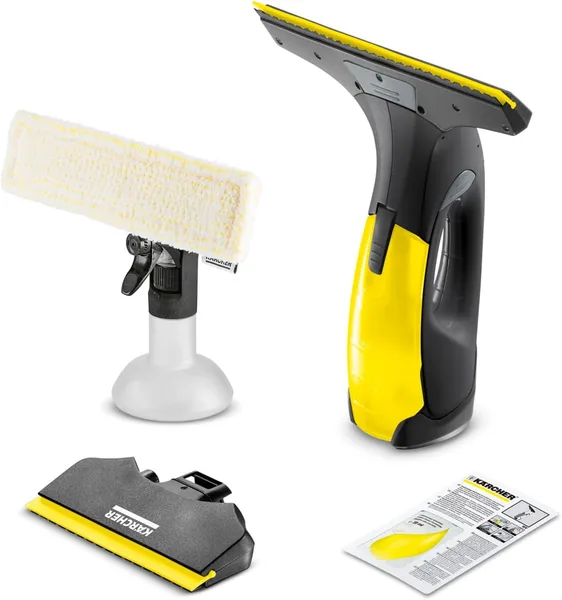
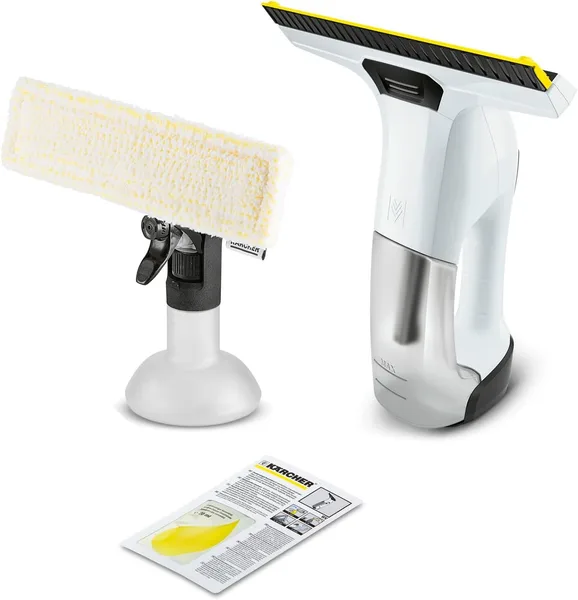
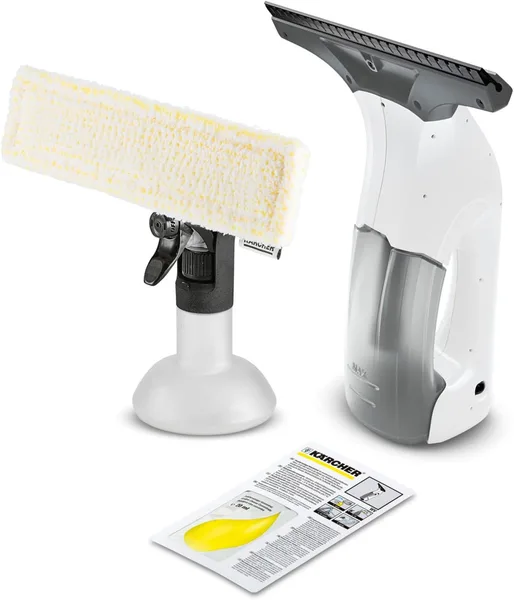
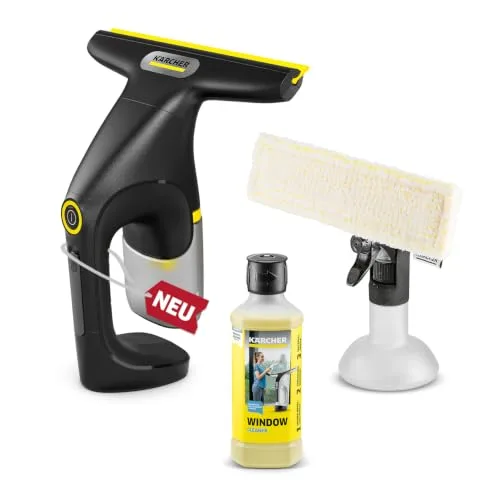
The models differ mainly in battery runtime and accessories: the WV 1 Plus (20 min, wide nozzle only) is the cheap entry for small flats, the WV 2 Premium (35 min, wide + narrow) the choice for most, the WV 6 Plus (100 min, large tank) for many and large windows. The basic streak-free technology is identical in all of them.
Which window vacuum suits glazing-bar windows and tall windows?
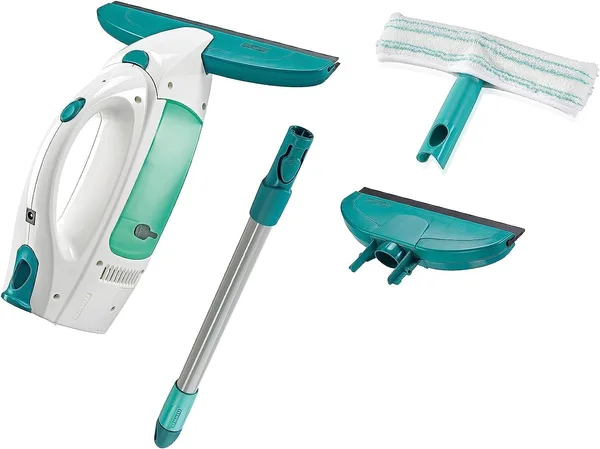
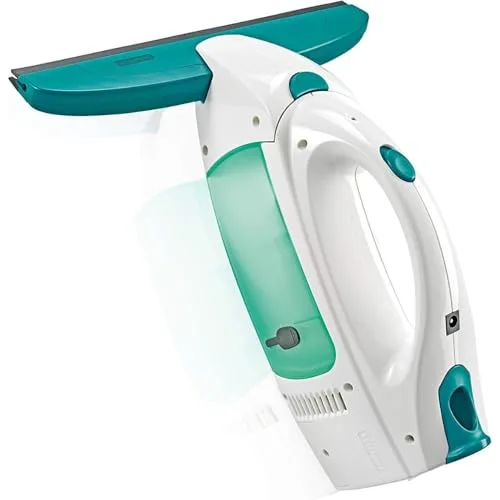
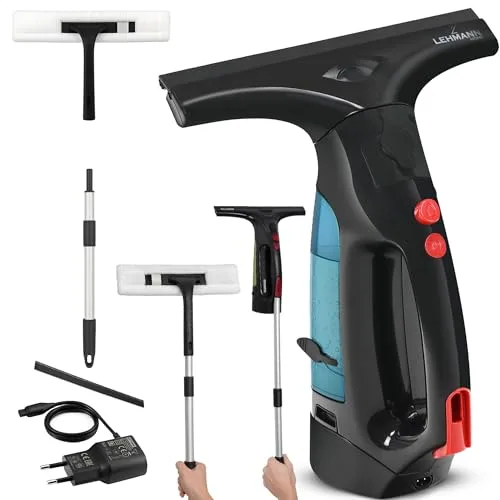
For glazing-bar windows you need a narrow nozzle, which the WV 2 Premium, Bosch GlassVAC and Leifheit include in the set (the WV 6 and WV 1 only the wide one). For tall windows, roof windows or conservatories, the Leifheit Dry & Clean is the choice: it is the only one with a telescopic pole, so you do not have to climb a ladder.
Can you also clean tiles, the shower and the car with a window vacuum?
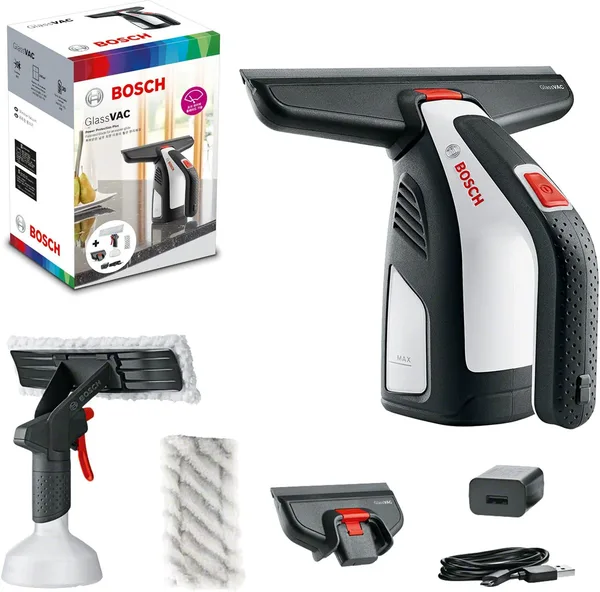
Yes: window vacuums work on all smooth surfaces: mirrors, bathroom tiles, shower walls and glass tables. Pulling the water off glass and tiles after showering helps prevent limescale and mould. The Bosch GlassVAC is explicitly designed for the car; with the narrow nozzle it also reaches narrow side windows.